AI Overview
Pocket AI Recorder Review 2026: The Future of Meeting Transcription and Productivity


The Rise of AI Meeting Recorders in 2026
Artificial intelligence hardware has had a mixed track record over the past few years. While some highly anticipated devices like Rabbit and Humane failed to meet expectations, a quieter yet more practical category has steadily gained momentum: AI-powered meeting recorders. These devices focus on a clear, high-demand use case—capturing, transcribing, and organizing conversations—and they are proving to be far more useful in everyday professional life.
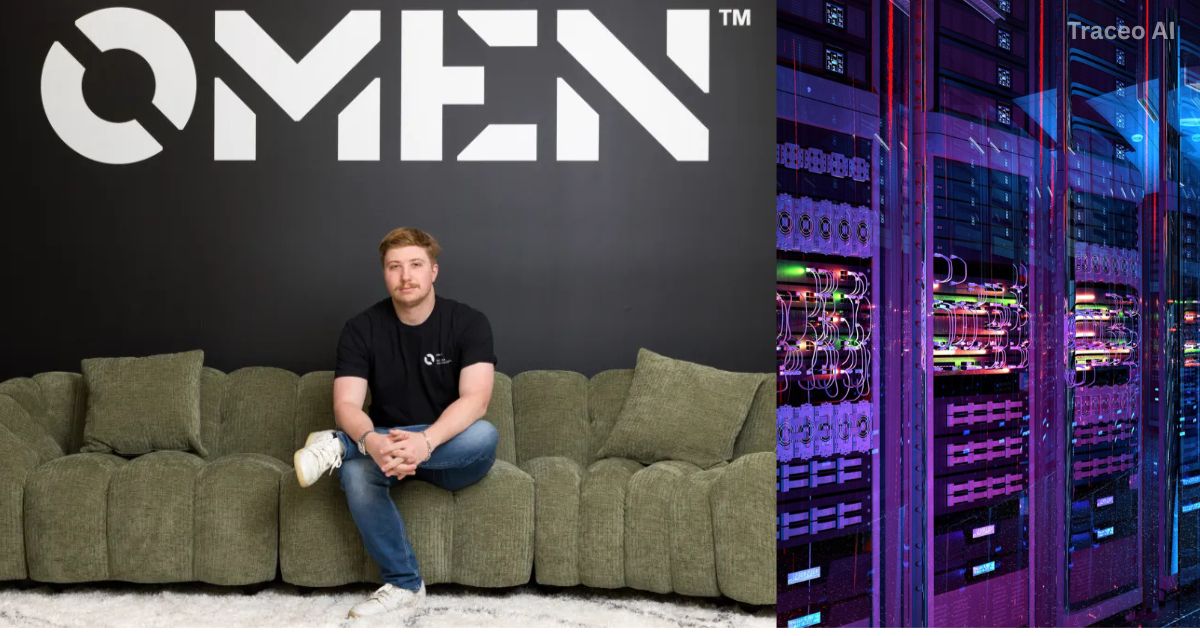
Among the emerging players in this space, Pocket is quickly positioning itself as a standout product. Backed by Y Combinator and Accel, the startup has entered a competitive but growing market with a compelling value proposition. Its compact design, combined with powerful AI features and a unique pricing model, is attracting professionals across industries.
The demand for efficient note-taking tools has never been higher. In an era where meetings dominate work schedules, the ability to capture accurate information without distraction is becoming essential. Pocket aims to solve this problem by offering a seamless blend of hardware and software that transforms how users interact with their conversations.
What Is Pocket AI Recorder?
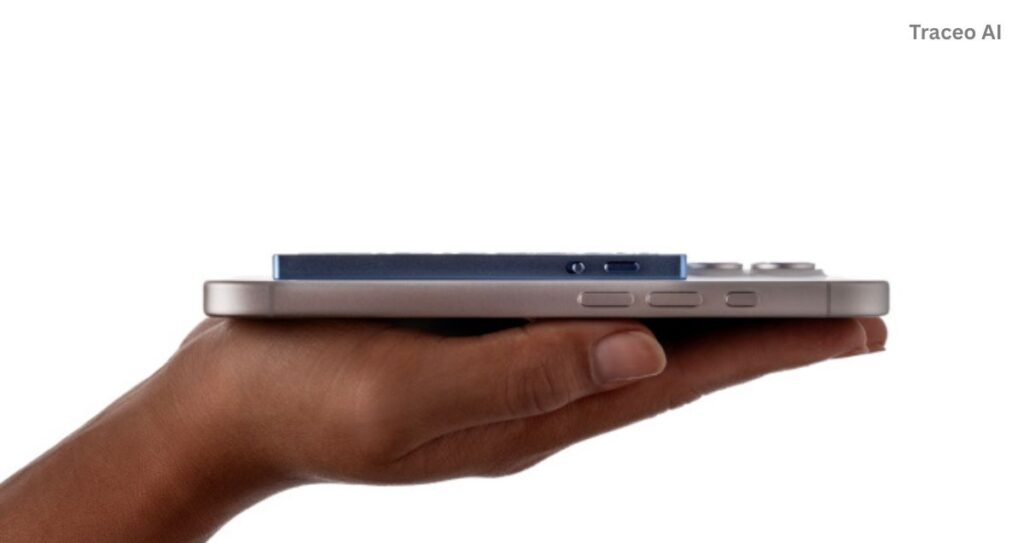
Pocket is a credit card-sized AI recording device that attaches magnetically to the back of a smartphone. Despite its small form factor, it delivers a powerful set of features designed to simplify meeting documentation.
The device allows users to record conversations in real time and automatically convert them into text through AI-driven transcription. What sets Pocket apart is its promise of unlimited recordings and transcriptions without requiring a subscription—an uncommon offering in today’s SaaS-heavy landscape.
Since its launch, Pocket has sold over 130,000 units, signaling strong market demand. The company has also secured $11 million in funding from prominent investors, including Accel and Y Combinator, further validating its growth potential.
Why Dedicated Devices Are Making a Comeback
At first glance, it may seem unnecessary to use a separate device for recording meetings when smartphones already offer similar capabilities. However, dedicated AI recorders like Pocket provide several advantages that go beyond basic functionality.
First, they eliminate distractions. Using a smartphone to record meetings often leads to interruptions from notifications, calls, or multitasking. Pocket creates a focused recording experience, allowing users to stay present in conversations.
Second, dedicated devices are optimized for audio capture. Pocket is designed specifically for recording speech in various environments, resulting in higher-quality transcriptions compared to generic smartphone apps.
Third, the integration between hardware and AI software enables a smoother workflow. Instead of juggling multiple apps, users get a unified system that handles recording, transcription, summarization, and task generation.
Key Features That Set Pocket Apart
Pocket is not just a recording device—it is a full-fledged AI productivity tool. Its feature set is designed to turn raw conversations into actionable insights.
One of its core capabilities is real-time transcription. As conversations are recorded, the device processes audio into text, making it easy to review discussions later.
The companion mobile app enhances this functionality by offering advanced AI tools. Users can generate summaries of meetings, extract key points, and create structured notes automatically. This reduces the need for manual note-taking and ensures that important details are not missed.
Another standout feature is the AI assistant. Users can ask questions about past meetings, retrieve specific information, or generate follow-up content such as emails and action items. This turns recorded conversations into a searchable knowledge base.
Additionally, Pocket supports mind maps and customizable templates, allowing users to organize information in a way that suits their workflow. Whether it’s brainstorming ideas or preparing reports, the device adapts to different use cases.
Pricing Strategy: A Competitive Advantage
One of Pocket’s most compelling selling points is its pricing model. The device costs $129, which includes unlimited recordings and transcriptions without any recurring fees.
This is a significant departure from competitors that rely heavily on subscription-based models. For many users, especially freelancers and small businesses, avoiding monthly payments is a major advantage.
For those who need advanced features, Pocket offers a premium plan priced at $200 per year. This plan unlocks unlimited AI summaries, deeper assistant queries, daily highlights, and file attachments.
This hybrid approach allows Pocket to appeal to both casual users and professionals, making it accessible while still offering scalability.

Built for Real-World Use Cases
One of the key insights behind Pocket’s development is that most AI tools are designed for online interactions. However, a large portion of professional communication still happens offline.
Pocket addresses this gap by focusing on real-world conversations. The device can be used in meetings, interviews, fieldwork, and other environments where traditional software tools fall short.
Professionals across industries are already benefiting from this approach. Lawyers can record client discussions, doctors can document patient interactions, and sales teams can capture important details during client meetings.
Students also find value in using Pocket to record lectures and study sessions, ensuring they never miss critical information.
The ability to record offline further enhances its usability, making it reliable even in areas with limited connectivity.
The Power of Context in AI
One of the challenges in AI-driven transcription and summarization is capturing context accurately. Pocket’s founders recognized that real-world conversations contain nuances that are often lost in digital communication.
By focusing on offline interactions, Pocket provides richer data for its AI models. This results in more accurate transcriptions and more meaningful summaries.
Over time, the accumulation of recorded conversations creates a valuable knowledge repository. Users can revisit past discussions, identify patterns, and gain insights that would otherwise be forgotten.
This long-term value is one of Pocket’s strongest advantages. Instead of treating meetings as isolated events, the device turns them into a continuous stream of actionable information.
Integration and Enterprise Capabilities
Pocket is not just targeting individual users—it is also expanding into the enterprise market. The company offers a range of integrations that make it suitable for professional workflows.
It supports popular platforms like Google Drive, OneDrive, and Google Calendar, allowing users to sync and organize their data بسهولة.
Advanced users can take advantage of webhook support and integrations with tools like Obsidian, Claude, and Cursor. These features enable automation and customization, making Pocket adaptable to different business needs.
Additionally, Pocket includes a Model Context Protocol (MCP) server, which connects its AI assistant to external databases. This allows organizations to integrate their existing data systems and enhance the functionality of the device.
Competing in a Crowded Market
The AI meeting recorder space is becoming increasingly competitive. Pocket faces competition from both hardware and software solutions.
On the software side, tools like Otter, Fireflies, Zoom, and Read AI offer transcription and summarization features. These platforms are widely used and continue to evolve.
However, Pocket’s hardware-first approach gives it a unique edge. By combining physical design with AI capabilities, it offers a more focused and seamless experience.
Device-first companies like Plaud are also gaining traction, with some generating significant revenue through software services. This indicates that there is strong demand for integrated solutions that go beyond traditional apps.
Why Pocket Is Gaining Traction
Pocket’s rapid growth can be attributed to several factors.
Its design is simple yet effective, making it easy for users to adopt without a steep learning curve. The magnetic attachment and compact size add to its convenience.
The pricing model is another major driver. By eliminating mandatory subscriptions, Pocket lowers the barrier to entry and attracts a wider audience.
Strong backing from investors provides the company with the resources needed to scale and innovate.
Most importantly, the product addresses a real problem. In a world where information overload is common, Pocket helps users capture and organize knowledge efficiently.
The Future of AI Note-Taking
As AI continues to evolve, the way we interact with information is changing. Tools like Pocket represent a shift toward more intelligent and automated workflows.
In the future, AI meeting recorders could become standard tools in professional environments. They may integrate even more deeply with other systems, enabling real-time decision-making and predictive insights.
Voice interfaces and natural language processing will likely improve, making interactions with AI assistants more intuitive.
Pocket’s focus on real-world conversations positions it well for this future. By capturing context-rich data, it can continue to refine its AI models and deliver increasingly valuable insights.
Final Thoughts
Pocket AI recorder is more than just a gadget—it is a glimpse into the future of productivity. By combining hardware innovation with powerful AI capabilities, it offers a practical solution to a common problem.
Its success highlights an important trend in the tech industry: users value tools that are simple, effective, and aligned with real-world needs.
As competition intensifies, Pocket will need to continue innovating to maintain its edge. However, its strong foundation and growing user base suggest that it is well-positioned to lead the next wave of AI-powered productivity tools.