
SpaceX
SpaceX Is Now a Public Company: Everything You Need to Know

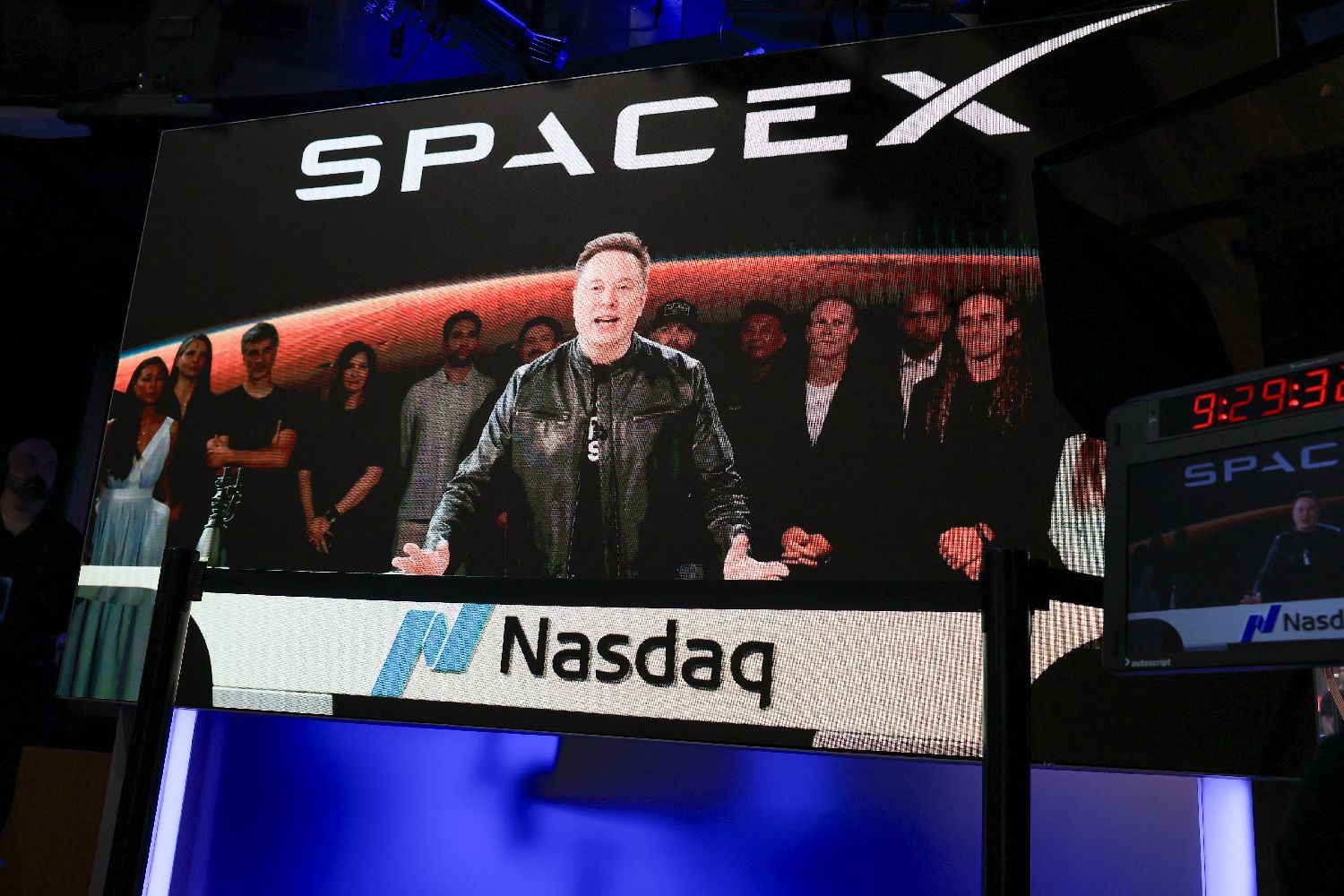
After more than two decades as one of the most closely watched private companies on the planet, SpaceX has finally gone public — and the debut lived up to the hype. The IPO didn’t just break records; it reshaped the landscape of who holds the most wealth and power in the tech industry almost overnight.
Here’s a full rundown of how the offering unfolded, what happened in the days immediately after, and what the underlying financial filings reveal about the company’s future.
A Record-Breaking Debut
SpaceX’s initial public offering wasn’t just big — it was the largest in history. The company priced 555.6 million shares at $135 apiece, raising an initial $75 billion. As demand accelerated, that figure eventually grew to roughly $85.7 billion once additional allocations were accounted for.
Shares began trading on the Nasdaq at $150, an 11% jump above the offering price, and kept climbing from there. By the middle of the first trading day, the stock had surged as much as 30% before ultimately closing up 19% at $160.95. Trading platforms felt the impact immediately — Robinhood reported unusually heavy activity on its app in the hours following the debut, a sign of how much retail investor attention the offering attracted.
For a company that has spent 24 years building rockets, satellites, and a reputation as Elon Musk’s most ambitious venture, the market’s reaction confirmed just how much anticipation had built up around this moment.
Elon Musk Becomes the World’s First Trillionaire
Perhaps the single biggest headline to come out of the IPO was personal: Elon Musk’s paper wealth crossed the one-trillion-dollar mark, making him the first person in history to reach that threshold. As the majority shareholder and CEO of SpaceX, Musk holds an outsized ownership stake, and the stock’s rapid climb translated directly into an unprecedented personal fortune.
Musk’s control over the company extends well beyond his bank account, though. According to the company’s regulatory filings, he holds around 85.1% of SpaceX’s voting power, giving him a level of authority over a publicly traded company that few other founders — even in the tech industry — have ever enjoyed. That concentration of control means that, despite now being subject to public market scrutiny, SpaceX will continue to operate largely according to Musk’s vision.
Musk marked the milestone with a message to employees on X, expressing his appreciation for the SpaceX team as the stock price climbed. He also shared IPO-related posts from employees, including images referencing the “greenshoe” option — the underwriting provision that allows banks to sell additional shares if investor demand outpaces the original offering.
Who Wins (and Who Doesn’t) From the IPO
While Musk is the IPO’s most visible beneficiary, he isn’t the only one. Thousands of SpaceX employees hold equity that could turn them into millionaires — reports point to roughly 4,400 employees potentially crossing that threshold thanks to the stock’s performance.
Investment banks also profited handsomely from underwriting the deal, collectively earning about $500 million in total fees, with Goldman Sachs and Morgan Stanley reportedly taking the largest cuts.
Not everyone comes out ahead, though. Investors who bought into SpaceX through special purpose vehicles (SPVs) — a common way for outside investors to gain indirect exposure to a private company — may face a murkier outcome. Lower-tier SPV participants often deal with layered fees, delayed payouts, and in some cases, exposure to fraud, and many won’t have a clear picture of their actual holdings until post-IPO lock-up periods expire.
What SpaceX Did in the Days After Going Public
Rather than settling into a quiet post-IPO period, SpaceX moved quickly to make headlines of its own.
The Cursor acquisition. Just days after its stock market debut, SpaceX announced plans to acquire Cursor, the AI coding tool, in a deal valued at $60 billion paid entirely in stock — a striking signal that SpaceX intends to expand well beyond aerospace and into software and artificial intelligence.
A valuation surge past Amazon. SpaceX’s market valuation ballooned to roughly $2.7 trillion, pushing the company past Amazon to become the fifth-most valuable company in the world. The jump followed a 20% single-day stock gain, with shares climbing more than 8% again in early trading shortly after.
Merger speculation with Tesla. SpaceX President and COO Gwynne Shotwell added fuel to long-running rumors of a potential SpaceX–Tesla merger during a CNBC interview, suggesting that combining the companies could simplify things for Musk. It wasn’t a confirmation of any deal, but it was enough to reignite investor speculation about how Musk’s various companies might eventually be restructured.
Inside SpaceX’s Financials: What the S-1 Revealed
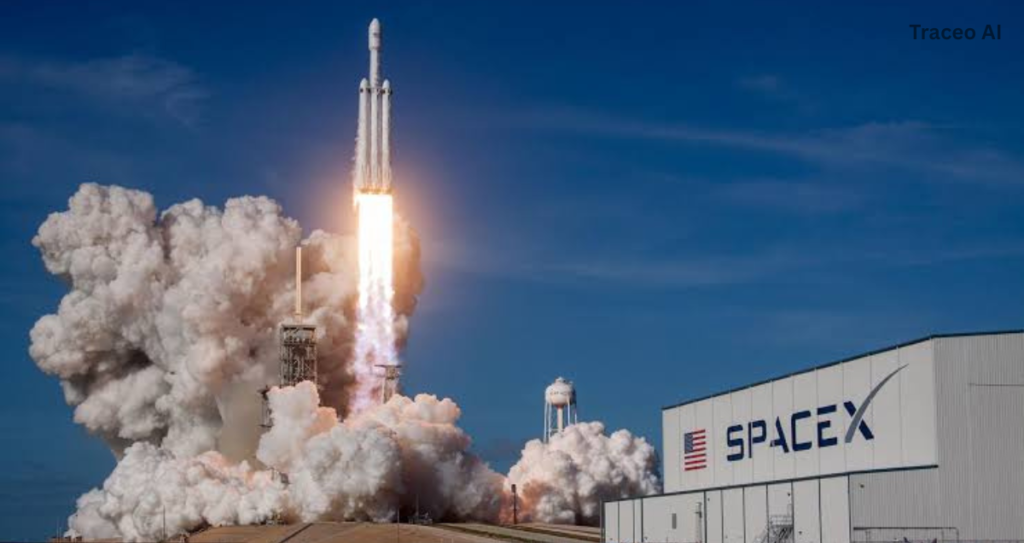
Going public requires disclosing detailed financials that had previously stayed private for over two decades, and SpaceX’s S-1 registration filing offered an unusually candid look at the company’s numbers.
The filing showed SpaceX lost $4.9 billion in 2025 on revenue of more than $18 billion — and the company has accumulated over $37 billion in losses since its founding. Despite those losses, investors clearly remain confident in the long-term trajectory of the business, largely driven by Starlink’s satellite internet operations and the company’s ties to Musk’s other AI ventures, including xAI.
The filing also raised questions about the pace of progress on Starship, SpaceX’s next-generation reusable rocket. Between the IPO disclosures and a recent test flight, the picture that emerged suggested the path to full reusability may be less certain than boosters have claimed — though it’s also far from the failure critics might have predicted.
Additionally, amendments to the S-1 warned investors about the possibility of significant future dilution, language that some analysts interpreted as another hint that a major structural change — possibly involving Tesla — could be on the horizon.
Pre-IPO Deals: Selling Compute to Strengthen the Balance Sheet
In the lead-up to its public debut, SpaceX struck a series of lucrative compute deals, effectively selling processing capacity to other major players in the AI industry to help improve its financial position ahead of the offering.
Notably, Anthropic agreed to pay xAI $1.25 billion per month for compute access, though the exact length of that agreement has been the subject of some public back-and-forth, with Musk downplaying how long the contract actually runs. Google separately agreed to pay SpaceX $920 million per month for compute, a deal a Google representative described as a short-term arrangement to meet unexpected demand tied to its own AI product launches.
These deals highlight just how deeply intertwined SpaceX has become with the broader AI industry — a relationship that likely factored into investor enthusiasm for the IPO in the first place.
How to Track SpaceX’s Stock Going Forward
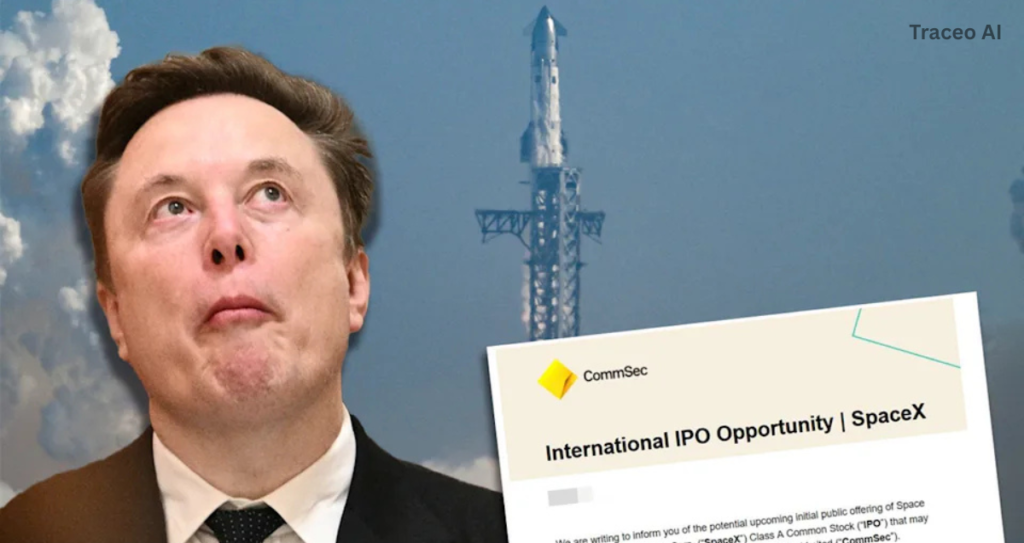
For anyone looking to follow SpaceX’s performance as a newly public company, the stock trades on the Nasdaq exchange. Beyond the official listing page, financial news outlets like Bloomberg and CNBC have maintained detailed live coverage of the stock’s movements, which is generally the fastest way to stay current on price swings, trading volume, and any market hiccups.
Why This IPO Matters Beyond SpaceX
SpaceX’s public debut isn’t just a story about one company’s balance sheet — it’s a signal of how thoroughly the space, AI, and technology industries have become intertwined. The compute deals with Anthropic and Google show that rocket companies are now also infrastructure providers for artificial intelligence. The Cursor acquisition shows SpaceX diversifying into software almost immediately after going public. And the swirling merger speculation with Tesla suggests Musk may be positioning his companies for an even more consolidated future.
For investors, employees, and industry watchers alike, this IPO likely marks the beginning of a new chapter rather than a conclusion — one where the boundaries between aerospace, AI, and traditional tech continue to blur.
Frequently Asked Questions
1. How much money did SpaceX raise in its IPO?
SpaceX initially raised $75 billion by pricing 555.6 million shares at $135 each. That total grew to approximately $85.7 billion once additional share allocations were factored in, making it the largest IPO in history.
2. Why did Elon Musk become the world’s first trillionaire?
As majority shareholder and CEO of SpaceX, Musk’s stake in the company surged in value as the stock price climbed after its Nasdaq debut, pushing his paper wealth past the one-trillion-dollar mark for the first time.
3. How much voting control does Elon Musk have over SpaceX?
According to SpaceX’s regulatory filings, Musk holds approximately 85.1% of the company’s voting power, giving him outsized control over decisions even though SpaceX is now publicly traded.
4. What is the Cursor acquisition, and why does it matter?
Just days after going public, SpaceX announced plans to acquire the AI coding tool Cursor for $60 billion in stock — a move that signals SpaceX’s ambitions extend beyond rockets and satellites into software and AI.
5. How did SpaceX’s valuation compare to other major companies after the IPO?
SpaceX’s valuation rose to roughly $2.7 trillion, making it the fifth-most valuable company in the world and pushing it past Amazon.
6. Is a SpaceX-Tesla merger actually happening?
There’s no confirmed deal, but SpaceX COO Gwynne Shotwell fueled speculation during a CNBC interview by suggesting a merger could simplify things for Musk. S-1 filing language about future equity dilution has added to the speculation.
7. How much money has SpaceX lost as a company?
SpaceX’s S-1 filing disclosed a $4.9 billion loss in 2025 on more than $18 billion in revenue, with over $37 billion in cumulative losses since the company was founded.
8. What compute deals did SpaceX make before its IPO?
SpaceX sold processing capacity to other AI companies ahead of its public debut, including a deal with Anthropic (paying xAI $1.25 billion per month) and one with Google (paying SpaceX $920 million per month).
9. Where can I track SpaceX’s stock price?
SpaceX trades on the Nasdaq exchange. Financial outlets like Bloomberg and CNBC provide ongoing live coverage of the stock’s performance and trading activity.
