
AI
Top 10 Technology Gadgets That Use or Launch With AI Features in 2026


Every year brings a fresh wave of “smart” gadgets, but 2026 feels different. Instead of AI being sprinkled on top of familiar hardware, this year’s most talked-about devices were designed around AI from the very first sketch. Rings that talk back with real intelligence, refrigerators that know what’s inside them, wristbands that read muscle signals instead of taps — the line between “gadget” and “AI system you wear” has basically disappeared.
Here’s a closer look at ten devices shaping that shift this year.
1. Pebble Index 01 — The Smart Ring With a Brain
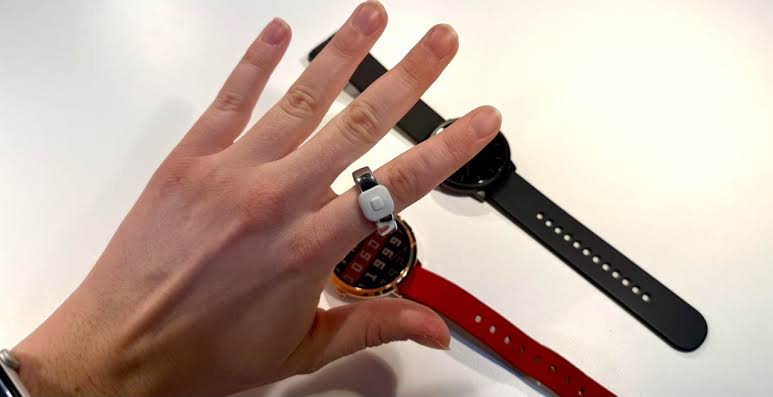
Smart rings have been around for a while, tracking sleep and steps quietly on your finger. The Pebble Index 01 does something different. Unveiled at CES 2026, it has a single button that opens a direct line to an AI assistant powered by Claude. Press it, say what you want to remember, and the ring handles the rest — no phone required. It launched at a pre-order price of $75 before settling at $99 once shipping began in March, and it’s already being pointed to as one of the more genuinely useful entries in the AI ring category, rather than just another notification buzzer.
2. Meta’s Neural Band — Controlling Devices With a Flex of Your Wrist
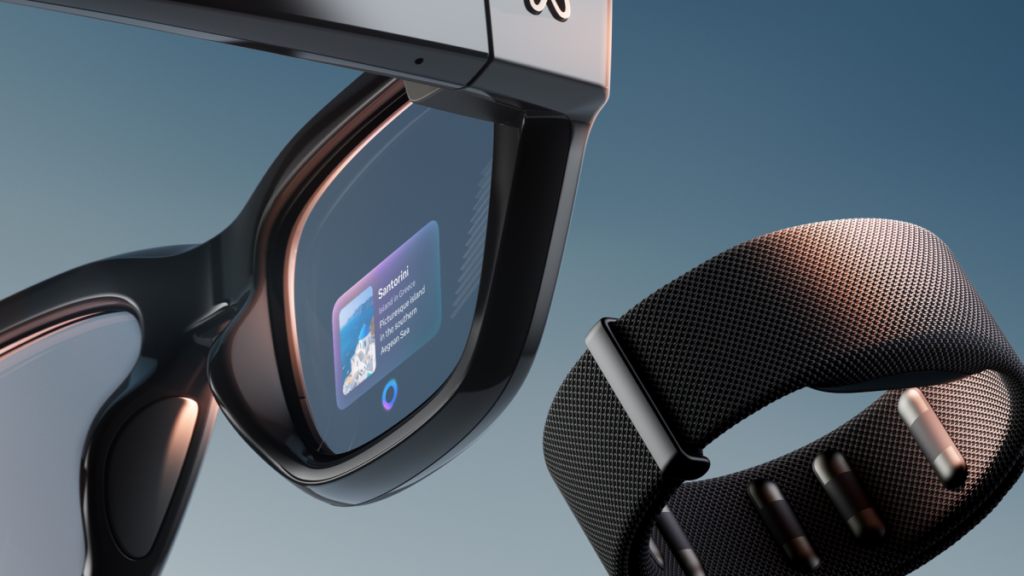
Paired with Meta’s Ray-Ban Display glasses, this EMG wristband reads electrical signals from your muscles to let you control other devices — like your car’s infotainment system — without touching a screen or saying a word. It’s a small but meaningful step toward gesture-based computing, where your intent becomes the input method instead of a voice command or a tap.
3. Samsung’s AI Vision Refrigerators — A Fridge That Knows What’s Inside It
Samsung’s 2026 fridge lineup brought Google Gemini-powered AI Vision into the kitchen. The camera-equipped fridge can recognize a much wider range of food items than earlier “smart fridge” attempts, helping you keep track of what’s running low without doing a manual inventory check. It’s paired with updated recipe suggestions and AI-tuned cooling, turning what used to be a static appliance into something closer to a kitchen assistant.

4. Google Home Speaker — Built for Gemini, Not Bolted to It
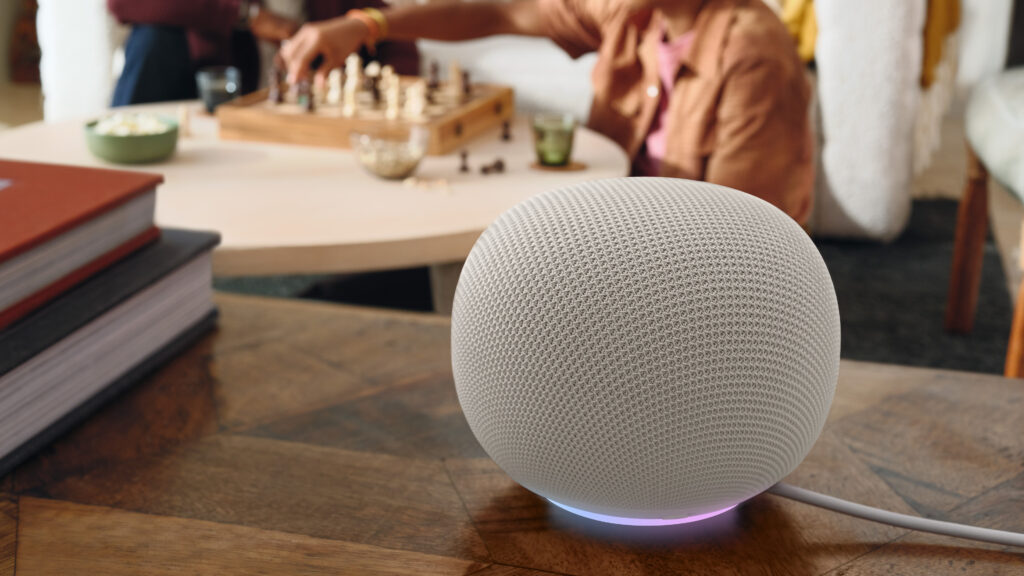
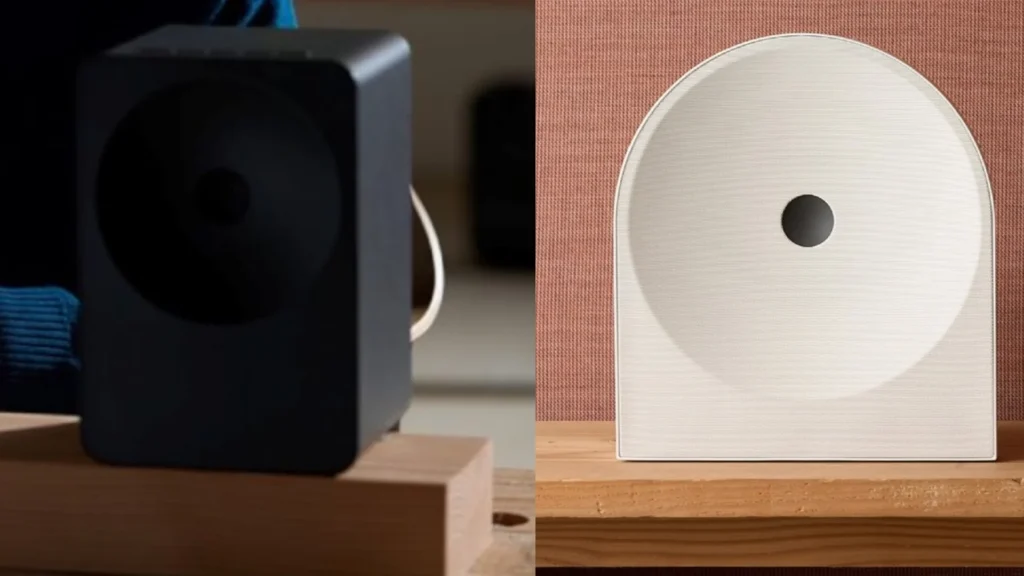
Announced in Google’s June 2026 update roundup, this new smart speaker wasn’t just updated with Gemini — it was built around it. That distinction matters. Instead of the rigid “if this, then that” voice commands of older smart speakers, this device is designed to handle natural, multi-step requests conversationally, closer to talking with a helpful person than issuing instructions to a machine.
5. Dnsys Exoskeletons — AI That Moves With You
For people managing injuries, disabilities, or long-term mobility conditions, the Dnsys X1 and Z1 exoskeletons offer something genuinely life-changing. These wearable, lower-body devices use AI to predict muscle exertion in real time, adjusting the level of support second by second. The original X1 targets the hips, while the newer Z1, released this year, shifts focus to the knees — both aimed at making everyday movement noticeably easier.

6. Sony Honda Afeela 1 — An EV That Watches the Road So You Don’t Have To (As Much)
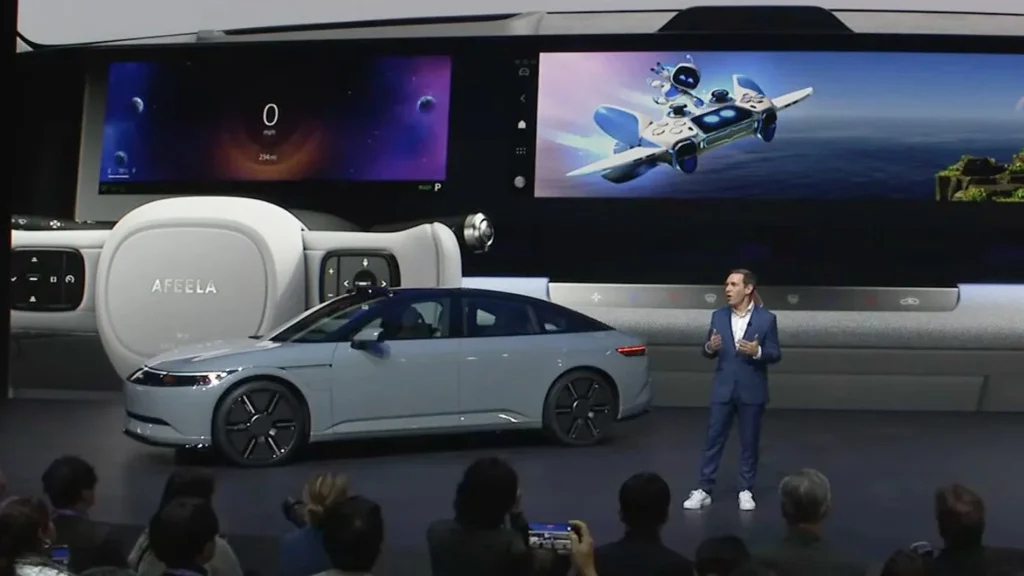
The Afeela 1 debuted a hands-off, eyes-on driver assistance system in 2026, a meaningful step up from typical driver-assist packages. Sony Honda Mobility has laid out a roadmap toward Level 4 autonomy delivered through over-the-air updates, with shipments starting in California before expanding to Arizona later in the year.
7. Google Fitbit Air — Wellness Tracking That Gets Ahead of You
Launched alongside Google’s new Health app, Fitbit Air leans into proactive AI insight rather than just counting steps. The idea is less “here’s your data” and more “here’s what your data means” — flagging patterns before they become problems, as part of Google’s broader 2026 push into personal wellness tools.

8. Googlebook — A Laptop Built Around Agentic AI
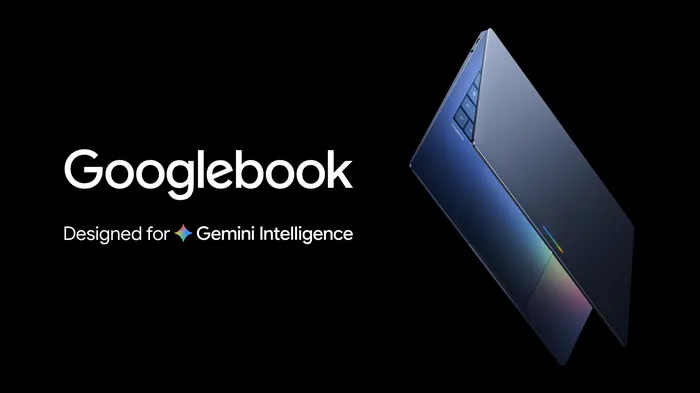
Introduced during May’s Android Show, Googlebook laptops were designed specifically to run Gemini 3.5’s agentic capabilities locally. Rather than treating AI as a chatbot window pinned to the corner of your screen, these machines are built so multi-step, action-taking AI workflows feel native to how the laptop operates.
9. Next-Gen AI Wearable Recorders — Meetings, Minus the Note-Taking
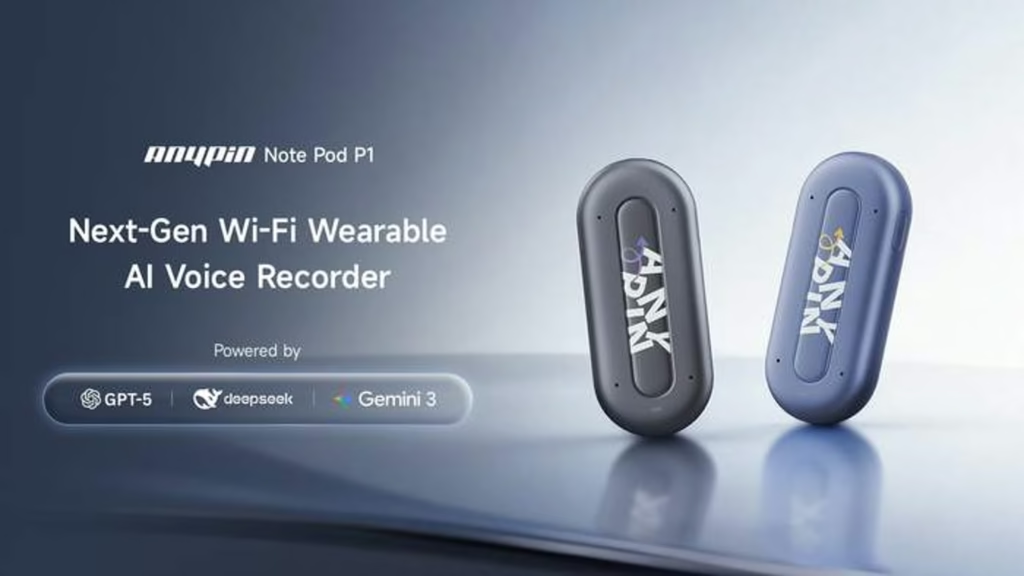
The clip-on AI voice recorder category matured significantly in 2026, with newer models adding better multi-device linking and enterprise features. Some manufacturers claim their devices meaningfully cut down on post-meeting admin work by handling transcription and summarization automatically. As with most of this category, the full feature set typically requires a monthly subscription.
10. Samsung Music Studio Speakers — AI Audio Meets Smart Home
Also unveiled at CES 2026, these speakers combine AI-driven sound tuning with deep integration into Samsung’s smart home ecosystem — part of the company’s broader “AI everywhere” strategy that’s rolling out across its TVs and appliances this year.
The Bigger Picture
Look across this list and a few patterns emerge. Local, on-device processing is becoming a selling point rather than a footnote, valued for both speed and privacy. Devices are shifting from answering questions to completing multi-step tasks on their own. Health and mobility hardware, once mostly prototypes, is now something you can actually buy and use. And subscriptions are still very much part of the deal — many of these gadgets hold their best AI features behind a monthly fee, so it’s worth reading the fine print before buying in.
If 2025 was about proving AI could live inside everyday hardware, 2026 is shaping up to be the year that hardware stopped waiting for AI to be added — and started being built around it from the start.
Frequently Asked Questions
1. What new AI gadgets launched in 2026? Notable 2026 launches include the Pebble Index 01 smart ring, Meta’s neural wristband, Samsung’s AI Vision refrigerators, the Google Home Speaker built for Gemini, Dnsys exoskeletons, and the Sony Honda Afeela 1 with AI driver assistance.
2. What is the Pebble Index 01? It’s a smart ring announced at CES 2026 that lets users press a button to talk to a built-in AI assistant powered by Claude, designed to help capture and recall information on the go.
3. How does Samsung’s AI Vision refrigerator work? It uses Google Gemini-powered computer vision to recognize items stored inside the fridge, helping track inventory and suggest recipes without requiring manual entry.
4. What makes the Google Home Speaker different in 2026? It was built specifically around the Gemini model rather than the older Google Assistant, allowing for more natural, multi-step conversational requests instead of rigid voice commands.
5. Are AI exoskeletons available to consumers in 2026? Yes. Companies like Dnsys have released wearable lower-body exoskeletons, such as the X1 and Z1 models, that use AI to predict muscle exertion and provide real-time mobility assistance.
6. What AI features does the Sony Honda Afeela 1 include? The Afeela 1 debuted a hands-off, eyes-on driver assistance system in 2026, with a roadmap toward Level 4 autonomy through future over-the-air software updates.
7. What is Fitbit Air? Fitbit Air is a wellness-focused wearable launched alongside Google’s new Health app in 2026, emphasizing proactive AI-driven health insights over traditional step-counting features.
8. Do 2026 AI gadgets require a subscription? Many do. Features like advanced summarization on AI wearables or enhanced assistant capabilities often require a monthly subscription fee to unlock fully.
9. What is a Googlebook? Googlebook is a new laptop category introduced in 2026, built to run Gemini 3.5’s agentic AI features directly and efficiently, enabling multi-step task automation on the device itself.
10. What’s the biggest trend across 2026’s AI gadget launches? The shift toward agentic AI — devices that complete multi-step tasks on your behalf — combined with a growing emphasis on local, on-device processing for speed and privacy.
